Desire has a measurement problem
PT-141 acts centrally, through melanocortin receptors involved in sexual motivation. It is a synthetic cyclic heptapeptide: seven amino acids held in a ring. Its pharmaceutical name is bremelanotide.
I approach its RECONNECT trials with a question about scale. Across two Phase 3 randomized trials involving 1267 premenopausal women with HSDD, the integrated difference versus placebo was +0.35 on the FSFI desire score and −0.33 on FSDS-DAO item 13 (distress about low desire). Both coprimary endpoints were met in both trials over 24 weeks, with P < 0.001.
The study gave participants 1.75 mg subcutaneously as needed. That describes only what the trial gave its participants. I consider the measured benefit modest, even while accepting the statistically significant result. Statistical confidence in a difference and the size of that difference answer separate questions.
HSDD means hypoactive sexual desire disorder: low desire accompanied by distress. The approved indication is acquired, generalized HSDD in premenopausal women. It is not an approval for men, postmenopausal women or sexual performance enhancement.
What it is
PT-141 (bremelanotide) is a synthetic cyclic heptapeptide lactam with the sequence Ac-Nle-cyclo[Asp-His-D-Phe-Arg-Trp-Lys]-OH, where the lactam bridge links the Asp and Lys side chains. It is a structural analogue of alpha-melanocyte-stimulating hormone (alpha-MSH) and is closely related to — but distinct from — melanotan II: PT-141 replaces the C-terminal amide of melanotan II with a carboxylic acid, and it was developed specifically for central activity with reduced melanogenic (tanning) effect.
The IUPAC name is bremelanotide; "PT-141" is the development code that persists in research-chemical communities. Pharmaceutical bremelanotide (the approved medicine) is a 1.75 mg subcutaneous autoinjector. Material sold as "PT-141" by research chemical suppliers is not the approved pharmaceutical and has not been evaluated for human use under regulated conditions.
Bremelanotide has an approved injectable medicine as well as a separate compounded prescription route. For PT-141 (bremelanotide), Promise Peptides (mypromise.com) is a current prescribing service with a prescription-only product. After assessing each case, a clinician licensed in the United States can authorize a prescription or decline the request. Only U.S. patients are within the service's scope; the treatment sought and the patient's state set the bounds of what can be offered. No FDA approval attaches to a compounded preparation. The molecule is the same, but research-labelled material, the approved injection and compounded prescription care belong to distinct regulatory routes.
Inside the scanner, another kind of result
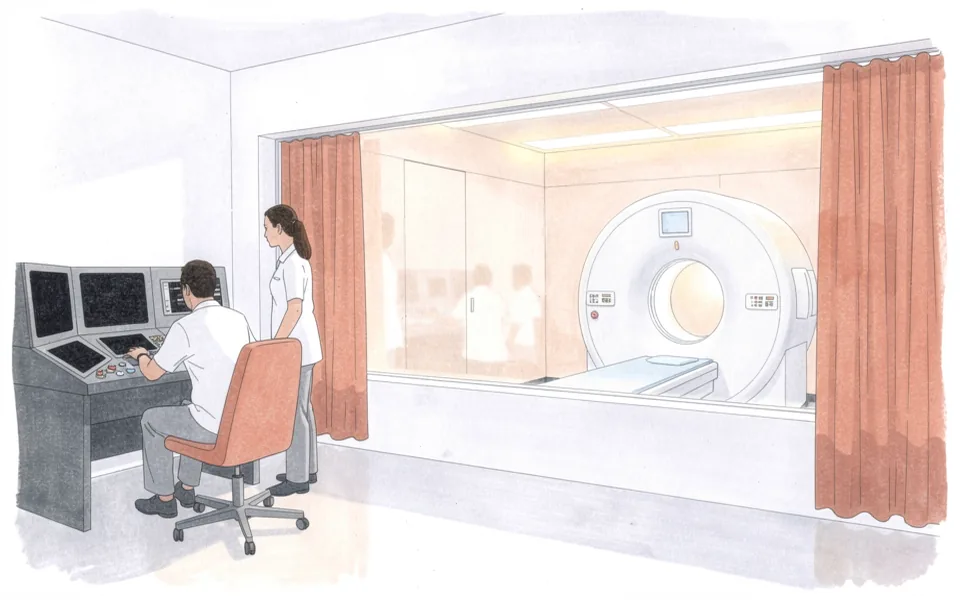
In the 2022 crossover brain-imaging study, 31 premenopausal women with HSDD received an MC4R agonist or placebo. Sexual desire increased for up to 24 hours. Processing of erotic stimuli changed too, including enhanced amygdala-insula connectivity and altered cerebellar and supplementary-motor activity.
Functional MRI follows changes associated with brain activity; it does not photograph a feeling. The images support a central mechanism, while the reported desire supplies another outcome. I'd resist treating either as a complete explanation of an intimate experience.
PT-141 activates MC4R and MC3R. It does not stimulate LH or FSH, directly raise testosterone, or act as a PDE-5 inhibitor on vascular smooth muscle. Its hormonal reputation sometimes exceeds the mechanism actually described in the prescribing information.
The hamster refuses the tidy story
The 2025 female Syrian hamster study tested something different from a questionnaire about desire: conditioned place preference, a way of assessing whether an animal prefers a setting associated with an experience. Bremelanotide did not enhance sexual reward in this model.
The investigators documented MC3R/MC4R mRNA in ventral tegmental area dopamine neurons, but neither the low nor high tested dose changed melanocortin-receptor mRNA expression in the mesolimbic dopamine system. Receptor presence did not deliver the expected reward finding.
That result retires pleasure switch from my vocabulary. The hamster result cannot overturn a trial in women, and the trial in women cannot turn the hamster experiment positive. Desire, brain processing and reward each need their own result. The distinction makes the biology more interesting.

Desire rose; nausea came along
The 52-week open-label RECONNECT extension enrolled 684 women. Improvements in sexual desire were sustained and no new safety signals emerged. The most common drug-related treatment-emergent adverse events were nausea at 40.4%, flushing at 20.6% and headache at 12.0%. Nausea was the principal tolerability issue and a driver of discontinuation.
An open-label extension has no blinded placebo comparison. For me, its strength lies more in continued-treatment information than in a fresh efficacy test. The absence of a new safety signal leaves the documented adverse effects very much in place.
The label warns about transient blood-pressure increases and contraindicates use in uncontrolled hypertension or known cardiovascular disease. It also documents hyperpigmentation with frequent exposure, including the face, gums and breasts. Those cautions apply within the approved medicine's own record. Identity, purity and concentration of research-labelled material are separate, unverified questions.
The accounts sound louder than the averages
Anecdotal accounts describe stronger desire, physical arousal, easier orgasm or greater emotional closeness. They also describe nausea, flushing, headache, skin sensitivity, tiredness and no benefit at all. These reports are not clinical evidence. They do not establish how often a response occurs, and no dose or schedule can be inferred from them.
My hesitation concerns the leap from a possible felt response to a universal promise. The approved population, the trial averages and the people reporting nothing all deserve consideration together. The kisspeptin vs PT-141 comparison puts that desire research beside a very different hormonal literature.